
Conservation Focused itineraries
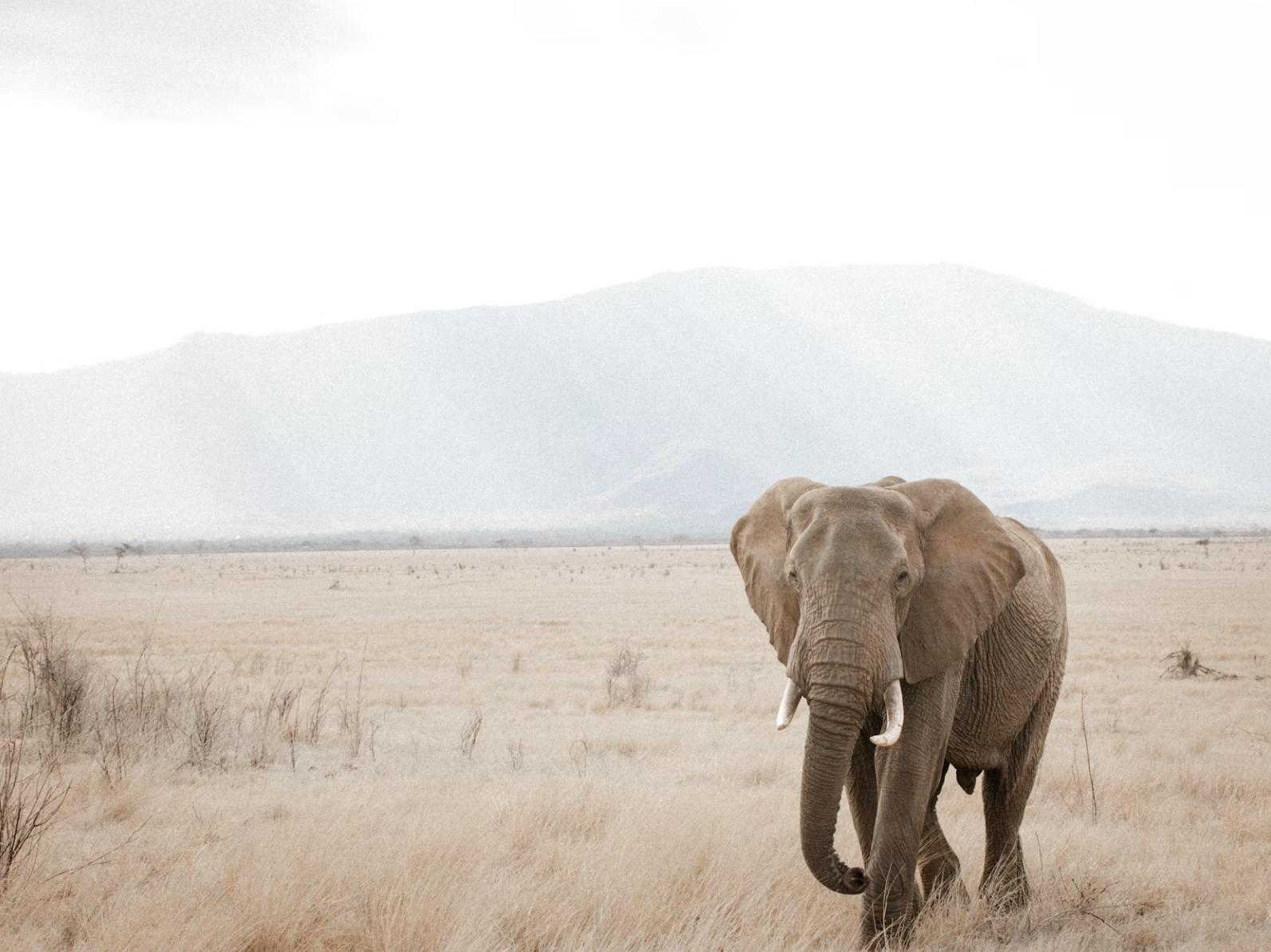
"An understanding of the natural world and what's in it is a source of not only a great curiosity but great fulfillment."
— Sir David Attenborough
Conservation is not an add on to a safari , it is the framework.
A conservation focused itinerary is built around partners and landscapes where tourism actively supports what keeps the wild intact: protected habitat, strong wildlife ethics, and meaningful community benefit. We prioritise camps and lodges that can clearly demonstrate how their operations and fees contribute to conservation outcomes on the ground, without overpromising or relying on vague “eco” language.
what conservation can look like at lodge level
Conservation in practice varies by region, but the most credible lodges tend to contribute through a blend of the following:
Land and habitat protection
Many camps operate within, or contribute to, conservancies and protected landscapes where tourism helps fund land protection and the long term viability of habitat. This can include conservancy or community land fees, protection of wildlife corridors and buffer zones, and habitat restoration such as replanting indigenous species and managing invasive plants.
Wildlife protection and monitoring
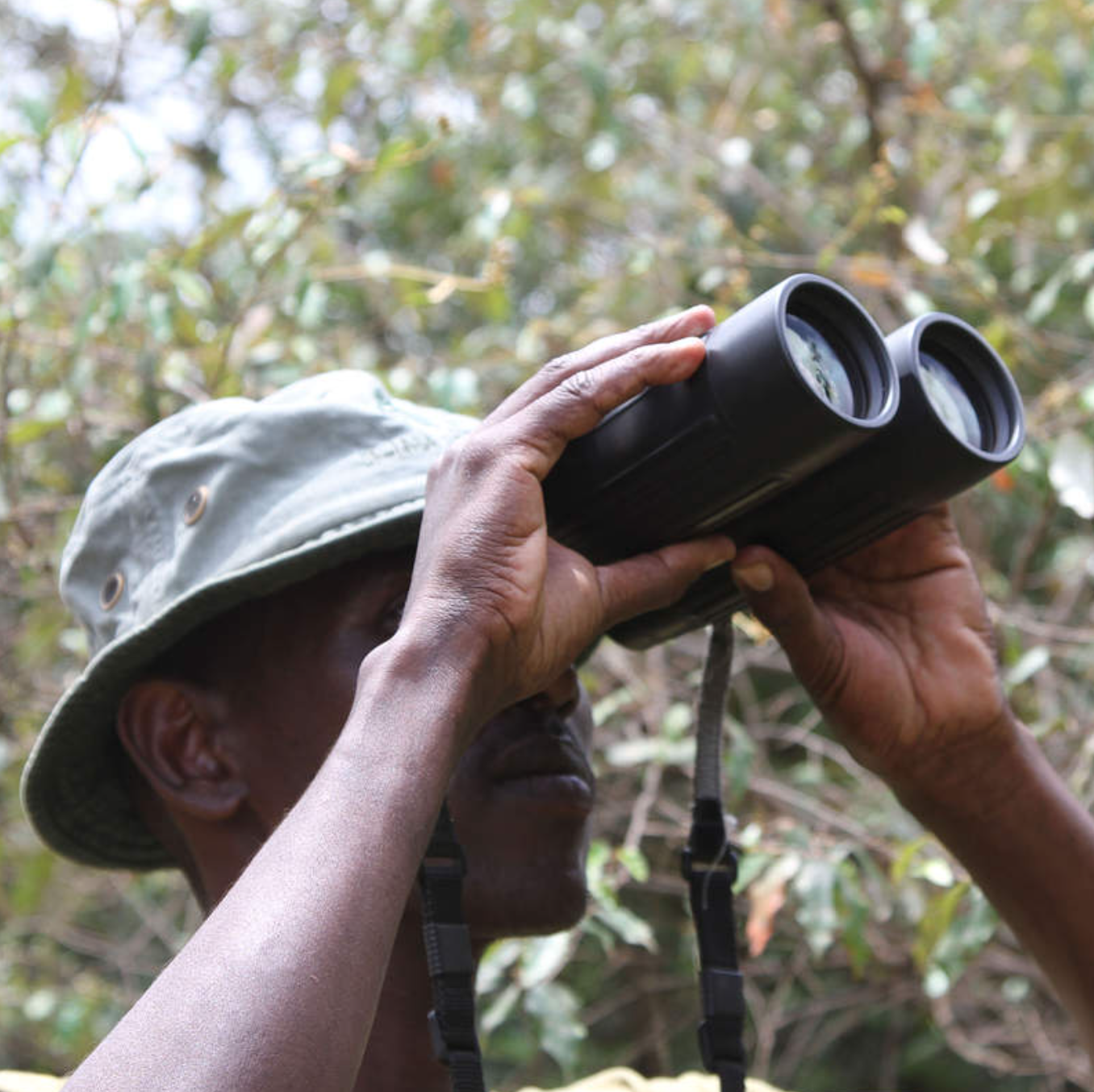
Lodge and conservancy fees often support ranger teams, monitoring programmes, and practical conflict mitigation that protects both wildlife and local livelihoods. This may include patrols, equipment and training, wildlife monitoring systems, and locally led approaches to human wildlife coexistence.
Ethical guiding and keeping wildlife wild
We favour camps with strong guiding ethics and a clear code of conduct around sightings. The goal is simple: unhurried encounters, respectful distances, and minimal pressure on animals so wildlife remains wild.
Community support and local economic benefit
Community impact should be tangible, not performative. Conservation aligned lodges typically reinvest locally through employment, training and progression pathways, local procurement where feasible, and long term community programmes supported by levies or dedicated trusts.
Low impact operations
Beyond the safari itself, we look closely at how a lodge operates day to day. Energy systems, water stewardship, waste reduction, responsible sourcing, and sensitive design choices all shape a lodge’s footprint over time.
Transparency and accountability
Where possible, we prioritise partners who can explain how conservation related fees are used and who share impact reporting or clear governance structures. Not perfection, but clarity and commitment.
purpose led travel experiences
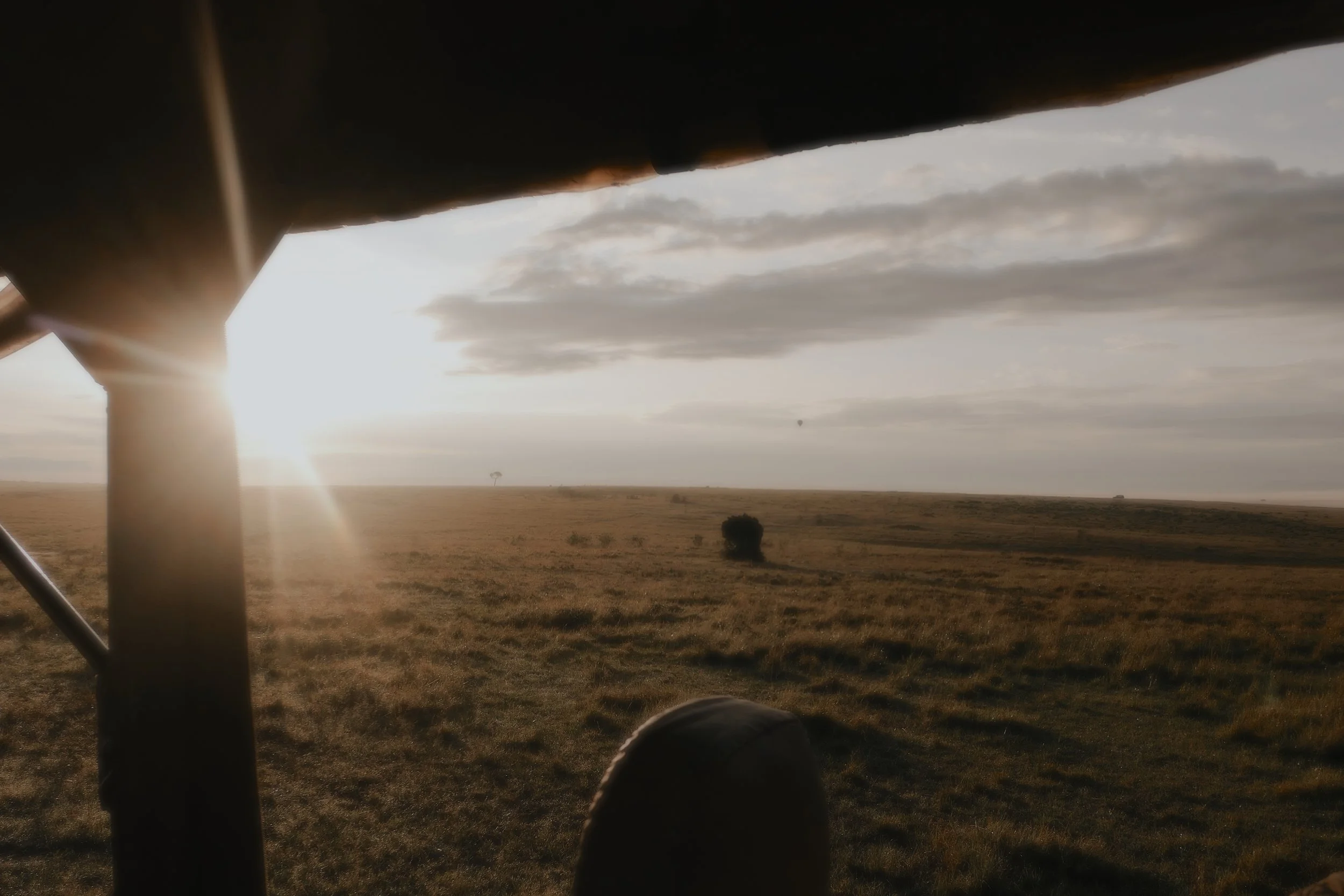
Protected Landscapes: Parks vs Conservancies
Across East and Southern Africa, conservation landscapes are typically protected through two main models: publicly managed parks and reserves, and private or community conservancies.
Both can be exceptional, they simply operate differently.
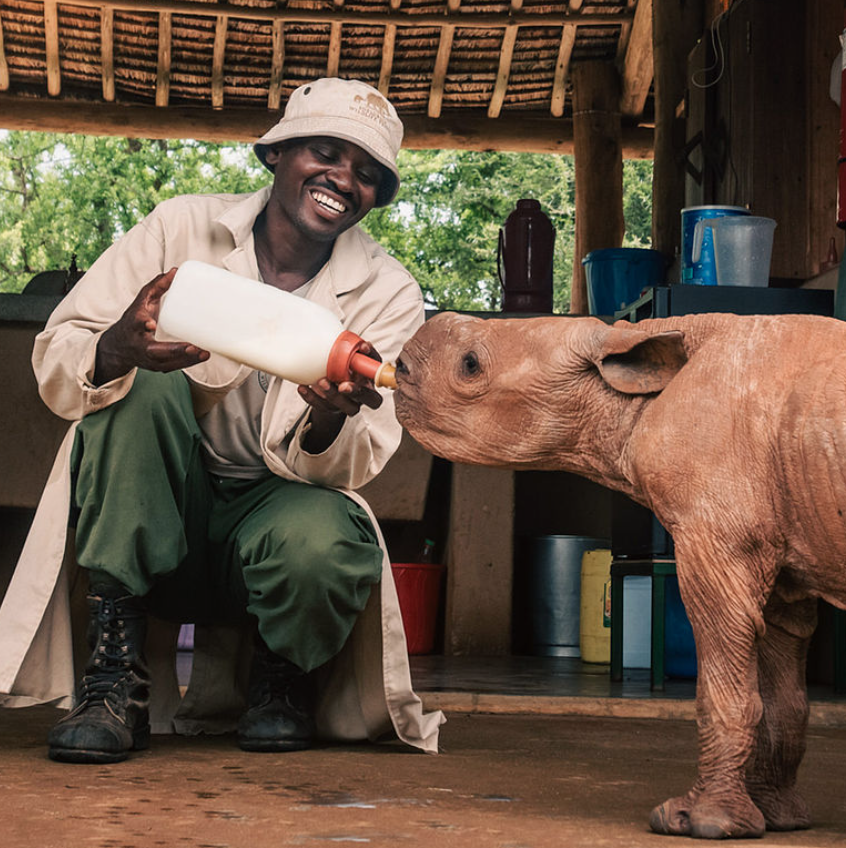
Public parks and reserves are state-managed protected areas. Your park fees support core conservation infrastructure such as protected area management, ranger presence, ecological monitoring, and long-term protection of nationally significant landscapes. These places are often iconic, vast in scale, and can deliver extraordinary wildlife viewing at key times of year.
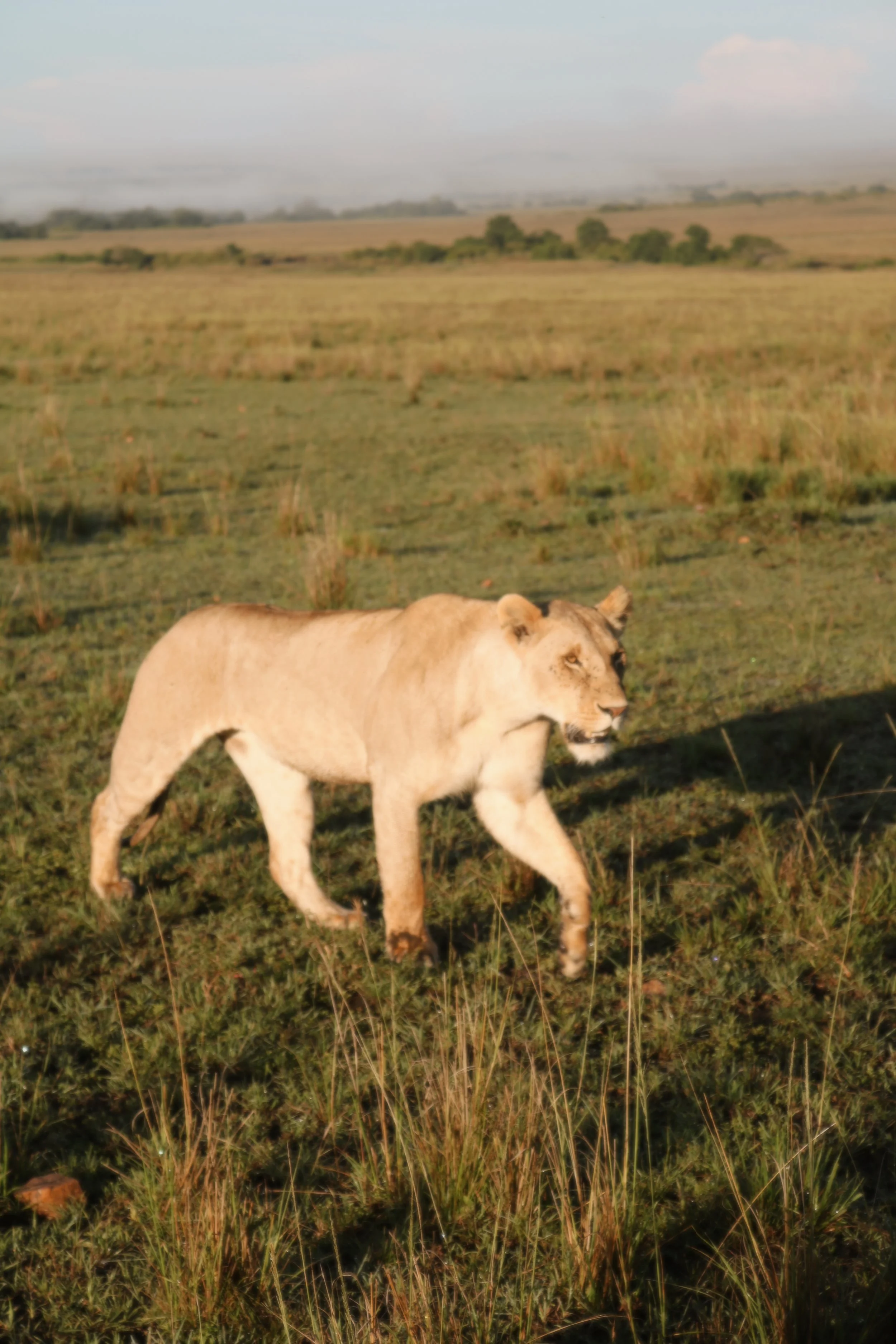
Private and community conservancies are protected landscapes managed through private or community-based structures, often on community land, private land, or in buffer zones that connect to larger ecosystems. Conservancy fees typically contribute to land protection models, on-the-ground ranger teams, and local benefit structures that help keep habitat intact and make wildlife protection economically viable for the people who live alongside wildlife.
In practice, conservancies can offer a different safari rhythm: often lower vehicle density, more flexibility in activities (rules vary by destination), and a deeper connection to local stewardship and conservation efforts.
A well designed itinerary often includes both: the scale and spectacle of a public park, paired with the quieter, lower density experience of a conservancy—so your safari feels immersive, respectful, and meaningfully aligned with conservation.
CONSERVATION ELEMENTS WE PRIORITISE
A considered mix of KWS parks/reserves and conservancies (where appropriate)
Low vehicle density and strong guiding ethics
Conservancy or park fees that support habitat protection and rangers
Community benefit through employment, training, and local procurement
Practical low-impact operations: energy, water, waste, plastics
Transparency: clarity on how fees and levies are used
Register your interest
You are invited to a private playground tailored for a select few, where the central point of your breakthrough year is you.
Are you ready?
If it's a "Hell Yes', your journey starts the moment you commit!